
CONCRETE & OUTDOOR GUIDES
How to Choose the Right Concrete Finish for Your Louisville Patio
Selecting the ideal concrete finish for your Louisville patio involves balancing durability, safety, comfort, and style. This guide explains common concrete finishes, their benefits and limitations, and factors to consider when planning your outdoor space. Learn how to choose a surface that complements your home, suits your lifestyle, and fits your maintenance preferences.
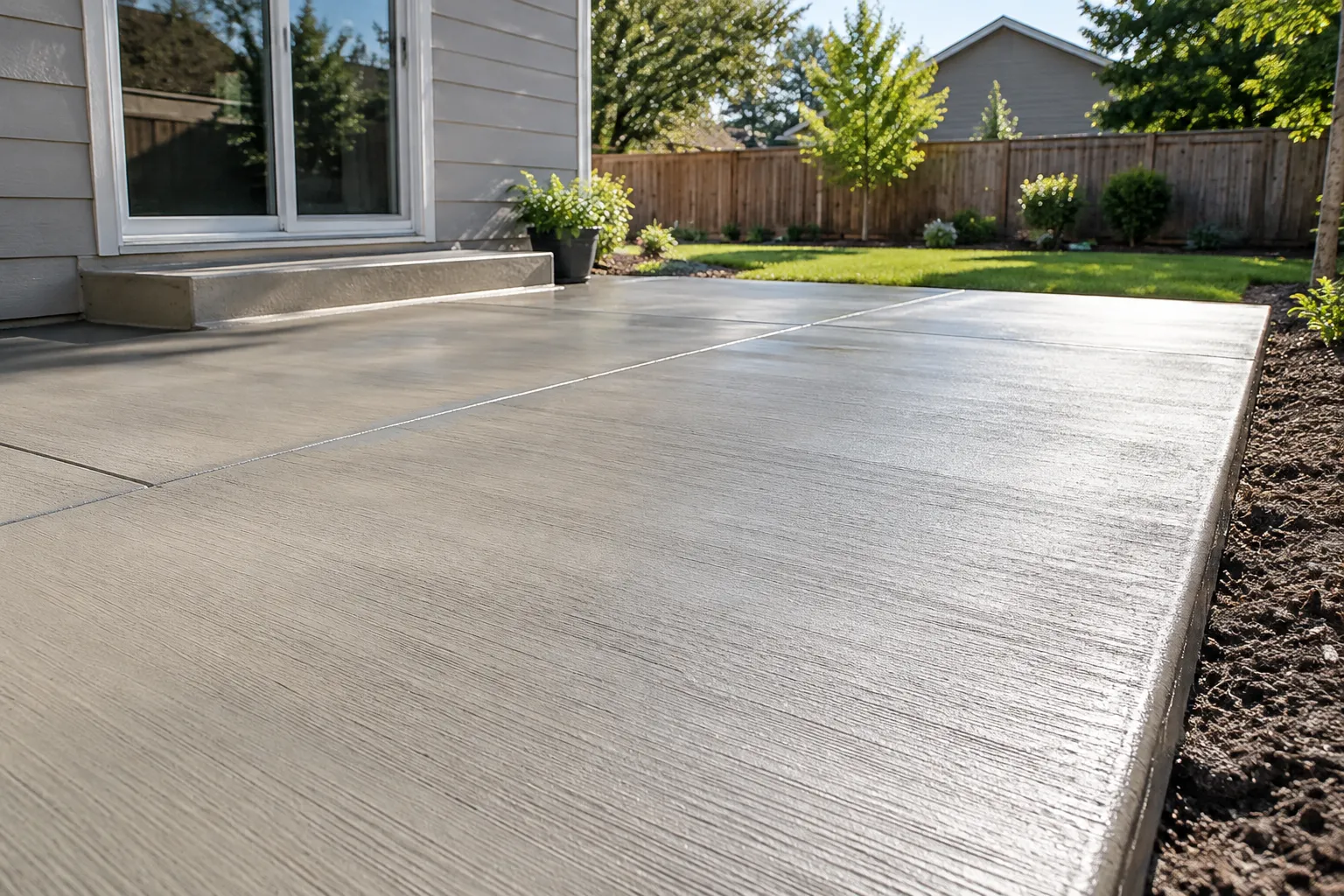
Choosing the right concrete finish for your Louisville patio is essential to create a durable, comfortable, and visually appealing outdoor space. Concrete finishes affect how the surface feels underfoot, how it handles weather and wear, and how it complements your home's style. Common options include broom finish, stamped concrete, exposed aggregate, acid staining, and smooth trowel finishes. Each has distinct characteristics regarding traction, maintenance, and appearance. Your choice should consider factors such as barefoot comfort, wet traction, sun exposure, maintenance willingness, and how the area will be used. For example, broom finishes provide good traction and moderate comfort, making them practical for most patios. Stamped concrete offers decorative patterns but requires regular sealing and may be less slip-resistant. Exposed aggregate is excellent around pools for traction but can be rough for bare feet. Acid staining adds color depth without changing texture but depends on the base finish. Smooth trowel finishes look sleek but can be slippery outdoors and may not be suitable for wet or high-traffic areas. Testing samples under actual sun and weather conditions can help you decide on color and texture. Planning your patio finish with these considerations ensures a space that balances safety, comfort, maintenance, and style for years to come.
Common Concrete Finishes for Patios
Concrete patios can be finished in several ways, each offering different textures, appearances, and maintenance needs. The broom finish is the most common and cost-effective option. It is created by dragging a stiff broom across the concrete surface while it’s still wet, producing fine lines that provide traction. This finish is practical for outdoor areas where slip resistance matters, especially in wet conditions.
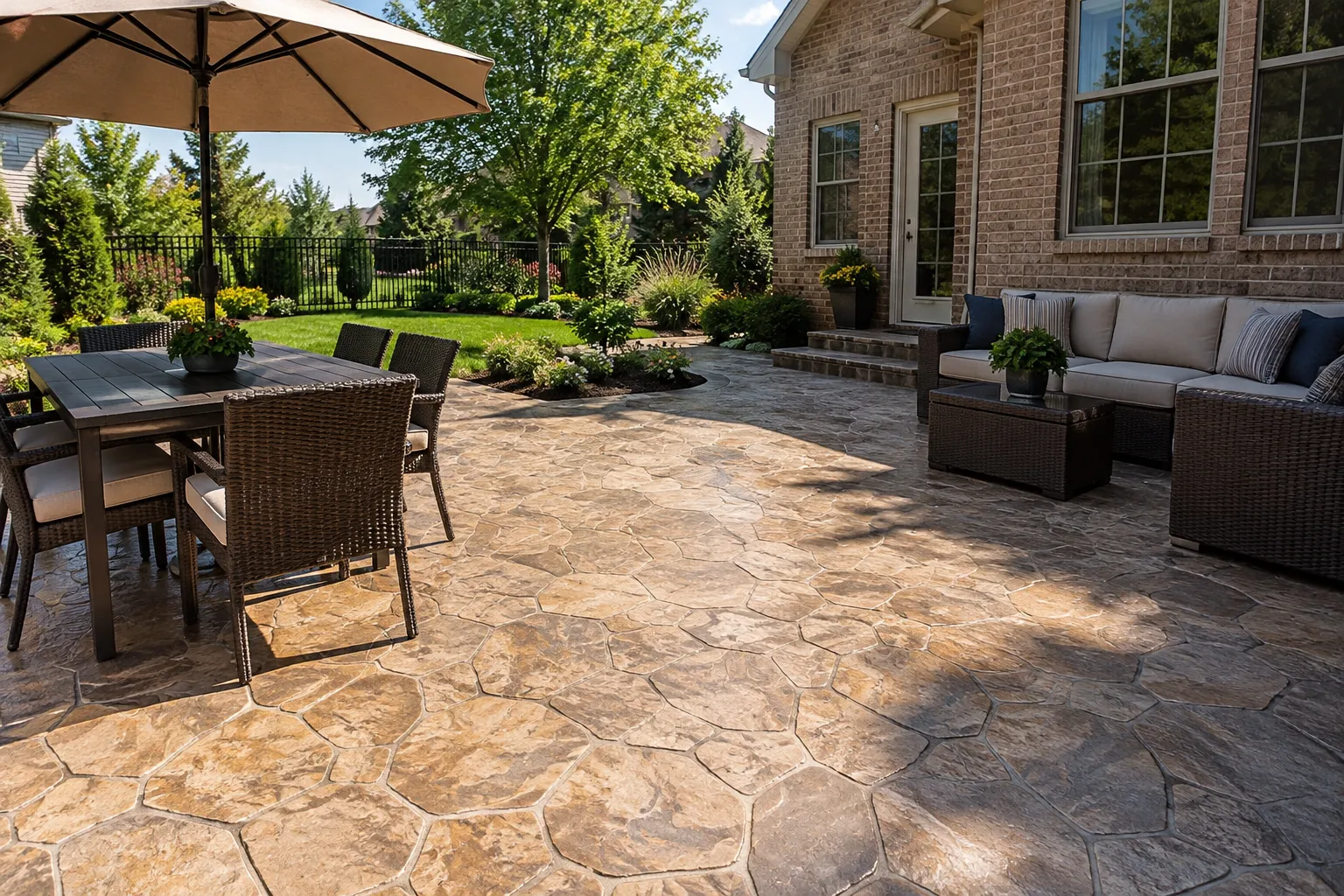
Stamped concrete is popular for homeowners seeking decorative patterns that mimic natural stone, brick, or wood. The pattern is pressed into the concrete before it cures, creating texture and visual interest. While stamped concrete enhances the look of patios, it requires resealing every few years to maintain its color and protect the surface from wear.
Balancing Comfort, Safety, and Maintenance
When choosing a patio finish, consider how comfortable it will be for barefoot walking. For example, heavy broom finishes provide excellent traction but can feel rough on bare feet. Light broom finishes or salt finishes offer a better balance of grip and comfort, making them suitable for poolside areas or patios used in summer.
Safety is also a key factor. Exposed aggregate finishes reveal natural stones embedded in the concrete, offering excellent traction even when wet. However, their rough texture may not be ideal for everyone’s comfort. Smooth trowel finishes look clean and refined but can become dangerously slippery outdoors, especially when wet. They are best reserved for decorative accents or covered areas.
Considering Color, Sun Exposure, and Heat
Color choice affects both aesthetics and comfort. Dark-colored concrete can absorb heat and become uncomfortably hot underfoot during Louisville’s summer months. In contrast, light colors reflect sunlight and stay cooler, which is beneficial for patios exposed to full sun. However, very pale and smooth finishes can cause glare, which might be unpleasant to the eyes.
If your patio faces south or west with no shade, selecting a mid-tone or light finish with some texture can reduce heat buildup and glare. Testing color samples outdoors during a hot afternoon can give a realistic sense of how the surface will feel and look throughout the year.
Planning Your Patio Surface Around Use and Style
Think about how you will use your patio space. Will it be a barefoot-friendly area near a pool, a dining spot with furniture, or a pathway connecting your home and garden? The finish you select should suit the intended use. For example, areas with frequent water exposure benefit from finishes with good traction like salt finish or exposed aggregate.
Styling your patio to complement your home’s architecture and existing landscape creates a cohesive look. Consider colors and patterns that harmonize with nearby brick, stone, or wood elements. Discussing your preferences with your contractor will help ensure the finish fits your property’s character and your personal taste.
Common questions
What factors should I consider when choosing a concrete finish for my patio?
Key factors include barefoot comfort, slip resistance especially when wet, maintenance requirements, sun exposure and heat absorption, and how the patio will be used. For example, if you often walk barefoot or have a pool nearby, a light broom or salt finish might suit you best. If you want decorative patterns, stamped concrete offers design options but needs regular sealing.
How can I test concrete finish options before deciding?
Request sample panels of different finishes and colors from your contractor. Place them outdoors in the actual patio location for at least a week. Check how they feel underfoot during various weather conditions and how they look in sunlight at different times of day. This hands-on approach helps you choose a finish that balances comfort, appearance, and practicality.