
CONCRETE & OUTDOOR GUIDES
How Soil and Climate Impact Custom Concrete Step Installation
Discover how different soil types and climate conditions affect the planning, installation, and durability of custom concrete steps. Understanding these factors helps homeowners prepare their property and make informed decisions for long-lasting, safe outdoor steps.
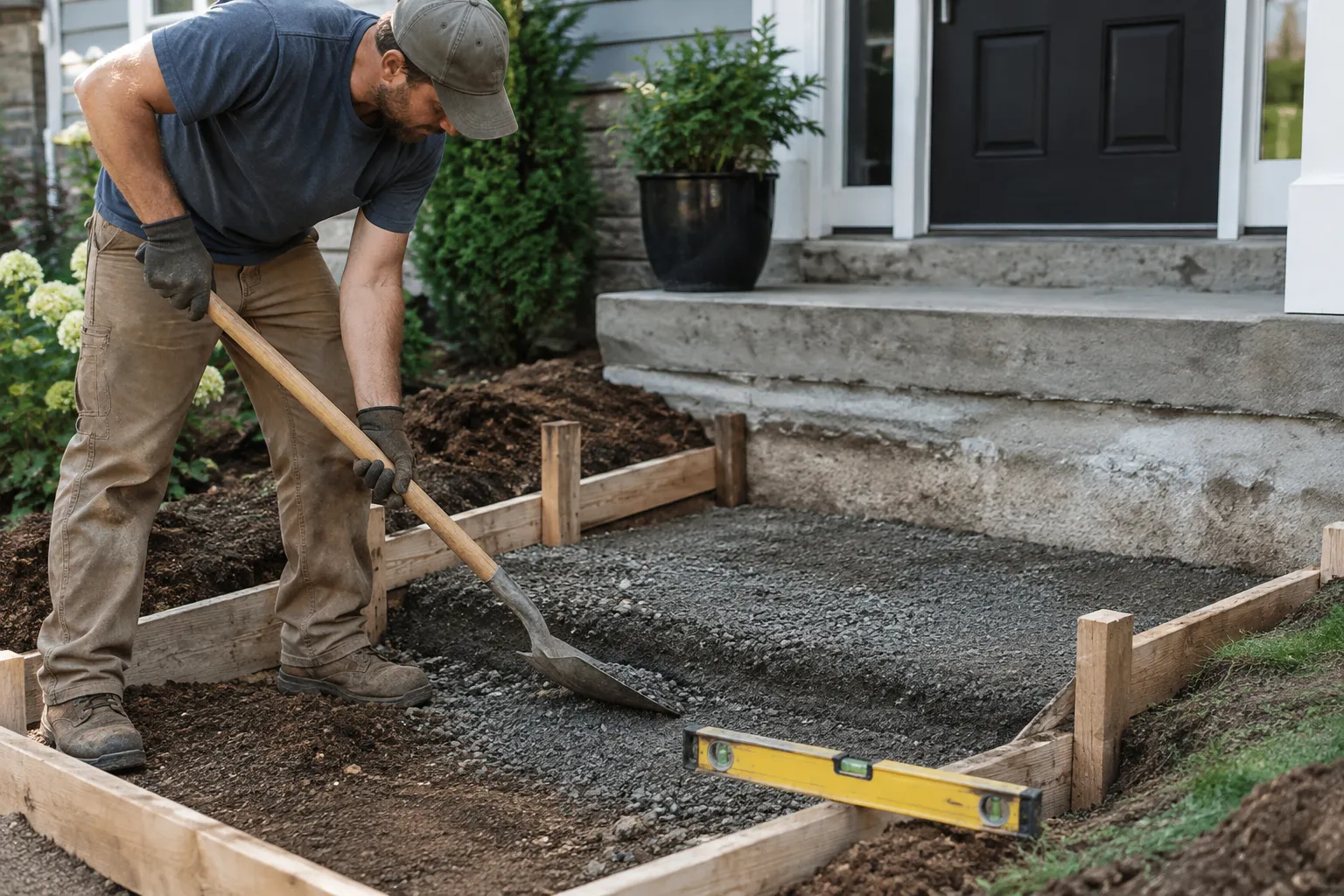
Soil and climate play crucial roles in the success and durability of custom concrete steps. Different soil types have varying drainage capacities and stability, which affect how well the concrete base holds up over time. Climate factors like freeze-thaw cycles, rainfall, and temperature fluctuations influence concrete curing and expansion, potentially causing cracking or shifting if not properly accounted for. Understanding these elements allows homeowners and contractors to plan adequate footing, drainage, and reinforcement to extend the life of the steps. Additionally, site preparation tailored to the soil and climate conditions can prevent common issues such as settling or water damage. While no installation can completely eliminate natural wear, considering soil and climate helps manage risks and maintain the functionality and appearance of concrete steps for years.
Understanding Soil Types and Their Effects on Concrete Steps
Soil composition is a fundamental factor in the installation of custom concrete steps. Clay, sandy, loamy, and rocky soils each behave differently under weight and moisture. Clay soils tend to retain water and expand when wet, then shrink when dry, which can cause movement in the concrete base. Sandy soils drain well but might shift under pressure if not compacted properly. Loamy soils offer a balanced texture but still require evaluation for drainage and compaction. Rocky soils provide stability but may pose challenges during excavation and leveling.
Proper site assessment includes identifying the soil type and its drainage characteristics. This information guides the choice of base materials and reinforcement methods. For example, in clay-heavy areas, adding washed stone or gravel beneath the steps can improve drainage and reduce expansion-related movement. In sandy soils, compacting the base thoroughly helps prevent shifting. Understanding these soil behaviors helps avoid premature cracking or settling of the concrete steps.
Climate Considerations for Concrete Step Longevity
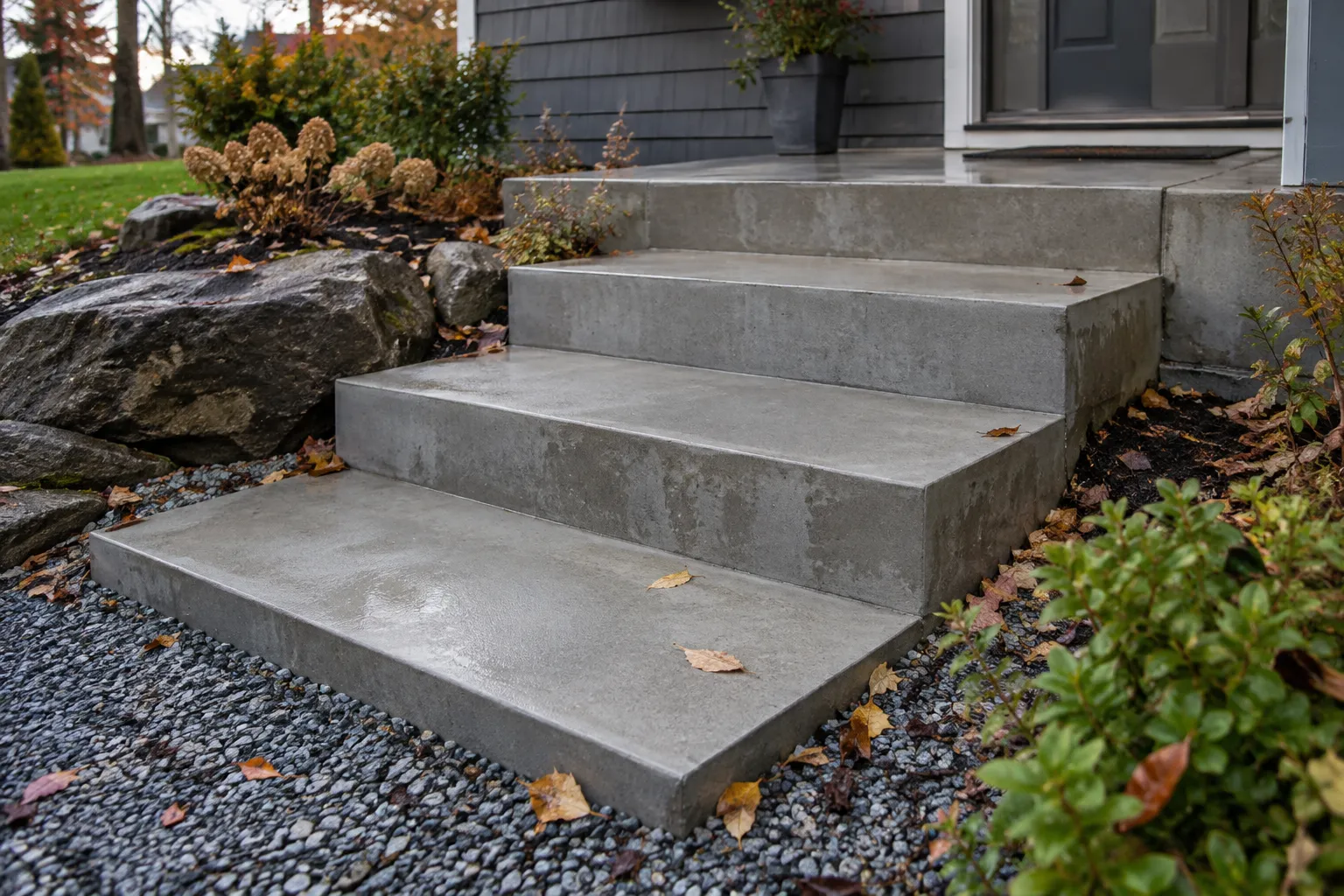
Local climate impacts concrete curing and long-term durability. In regions with freeze-thaw cycles, water trapped in or under concrete can freeze and expand, leading to cracks or spalling. Proper drainage around the steps is critical to prevent water accumulation. Additionally, using air-entrained concrete mixes can improve resistance to freeze-thaw damage by creating tiny air pockets that accommodate expanding ice.
Temperature fluctuations also affect curing times and concrete strength. Hot weather can cause rapid drying, leading to surface cracks, while cold weather slows curing and may require protective measures like blankets or heaters. Rainfall during or shortly after pouring can weaken the surface finish. Considering seasonal weather patterns when scheduling installation helps ensure optimal curing conditions and reduces risks of defects.
Site Preparation and Drainage for Stable Concrete Steps
Preparing the site properly is essential to accommodate soil and climate challenges. Excavation should remove unsuitable soil, such as organic matter or loose fill, and reach stable subsoil. A compacted base of crushed stone or gravel provides a firm foundation that facilitates drainage and reduces frost heave risks.
Drainage planning includes grading the area to direct water away from the steps and installing drainage materials if necessary. For example, placing clean stone beneath and around the steps can help water flow away quickly. Avoiding water pooling near the concrete prevents moisture-related damage and prolongs the steps’ lifespan. Discussing drainage and preparation with your contractor ensures these factors are integrated into the project plan.
Coordinating Design and Finish with Environmental Factors
The appearance and finish of custom concrete steps can also be influenced by soil and climate conditions. For instance, textured or stamped finishes may require additional sealing or maintenance in wet or freeze-prone areas to protect against moisture intrusion and surface wear.
Matching the steps’ finish with adjacent concrete surfaces helps create a cohesive look while considering environmental exposure. In some climates, lighter-colored concrete can reduce heat absorption, making steps more comfortable underfoot during hot summers. Discussing these design choices alongside environmental factors helps balance aesthetics, durability, and maintenance needs.
Common questions
How can I tell if my soil is suitable for concrete steps?
A soil test or professional site assessment can identify soil type, drainage, and stability. Look for signs like standing water, soft or spongy ground, or excessive cracking in existing concrete. These may indicate poor soil conditions that require additional preparation such as adding gravel bases or improving drainage before installing concrete steps.
What climate-related precautions should I take for concrete steps?
Consider scheduling installation during moderate weather to ensure proper curing. Use air-entrained concrete mixes in freeze-thaw regions and plan for drainage to avoid water pooling. Sealing the concrete can also help protect against moisture and temperature-related damage over time.