
CONCRETE & OUTDOOR GUIDES
How to Identify and Address Drainage Issues Before Installing Concrete Walkways
Proper drainage is essential before installing concrete walkways to prevent water pooling, foundation damage, and premature concrete deterioration. This guide helps homeowners recognize drainage problems on their property and outlines practical steps to prepare the site for a durable, comfortable walkway installation.
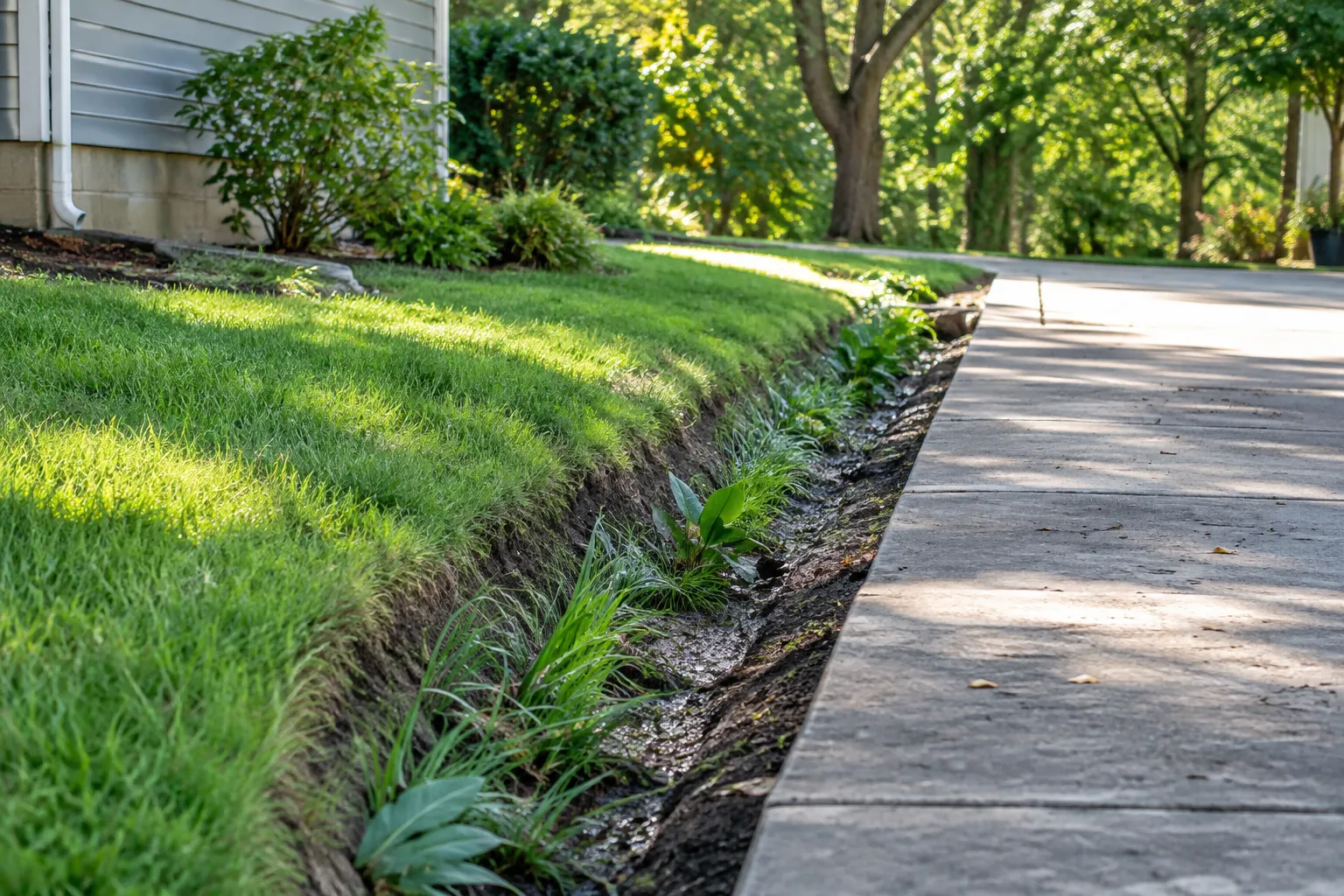
Before installing a concrete walkway, identifying and addressing drainage issues is crucial to ensure longevity and usability. Drainage problems can cause water to pool on or near the walkway, leading to concrete damage, slippery surfaces, and even foundation concerns. Homeowners should start by observing their property after rainfall to spot standing water or soggy areas that persist beyond 24 hours. Checking the slope of the ground is important; paved surfaces should have at least a 1% slope away from the house to direct water runoff effectively. If the terrain naturally directs water toward your home or walkway area, corrective grading or drainage systems like swales or French drains may be necessary. Consulting a professional can help assess the site and recommend solutions tailored to your property’s conditions. Proper preparation before pouring concrete reduces future maintenance needs and protects your investment in outdoor improvements.
Recognizing Drainage Problems on Your Property
Drainage issues often reveal themselves through visible signs around your yard. Common indicators include puddles or standing water that remain for more than a day after rain, soggy or waterlogged patches in the lawn, and water pooling near the foundation of your home. You might also notice moss or mold growth in low-lying areas, uneven or sinking spots in your landscaping, or unpleasant odors coming from damp soil. These symptoms suggest that water is not draining properly, which can lead to soil erosion, damage to concrete surfaces, and structural risks if left unaddressed.
Inspect your property after a heavy rain to identify where water tends to collect. Pay attention to roof downspouts and gutters as well, since water discharged too close to your walkway or foundation can worsen drainage problems. Observing these signs early allows you to plan corrective measures before installing your concrete walkway.
The Importance of Proper Grading and Slope
Grading refers to shaping the land to direct water away from structures and prevent pooling. For concrete walkways, maintaining a slight slope is essential to encourage water runoff. Industry recommendations suggest a minimum slope of 1% (approximately 1/8 inch per foot) away from your home or any building. This subtle incline helps prevent water from standing on the surface or seeping toward foundations.
If your yard is flat or slopes toward your home, water will naturally flow toward the foundation or the walkway area, increasing the risk of damage. In such cases, regrading the soil to create a gentle slope or installing drainage solutions becomes necessary. Proper grading also helps avoid long-term maintenance issues like cracking, scaling, or discoloration of the concrete caused by trapped moisture.
Common Drainage Solutions for Concrete Walkways
When natural grading alone cannot resolve drainage problems, several practical solutions can be implemented. Swales, which are shallow, vegetated channels, can be dug to redirect stormwater away from your walkway and home. These channels slow water flow and promote natural infiltration into the soil, reducing runoff volume.
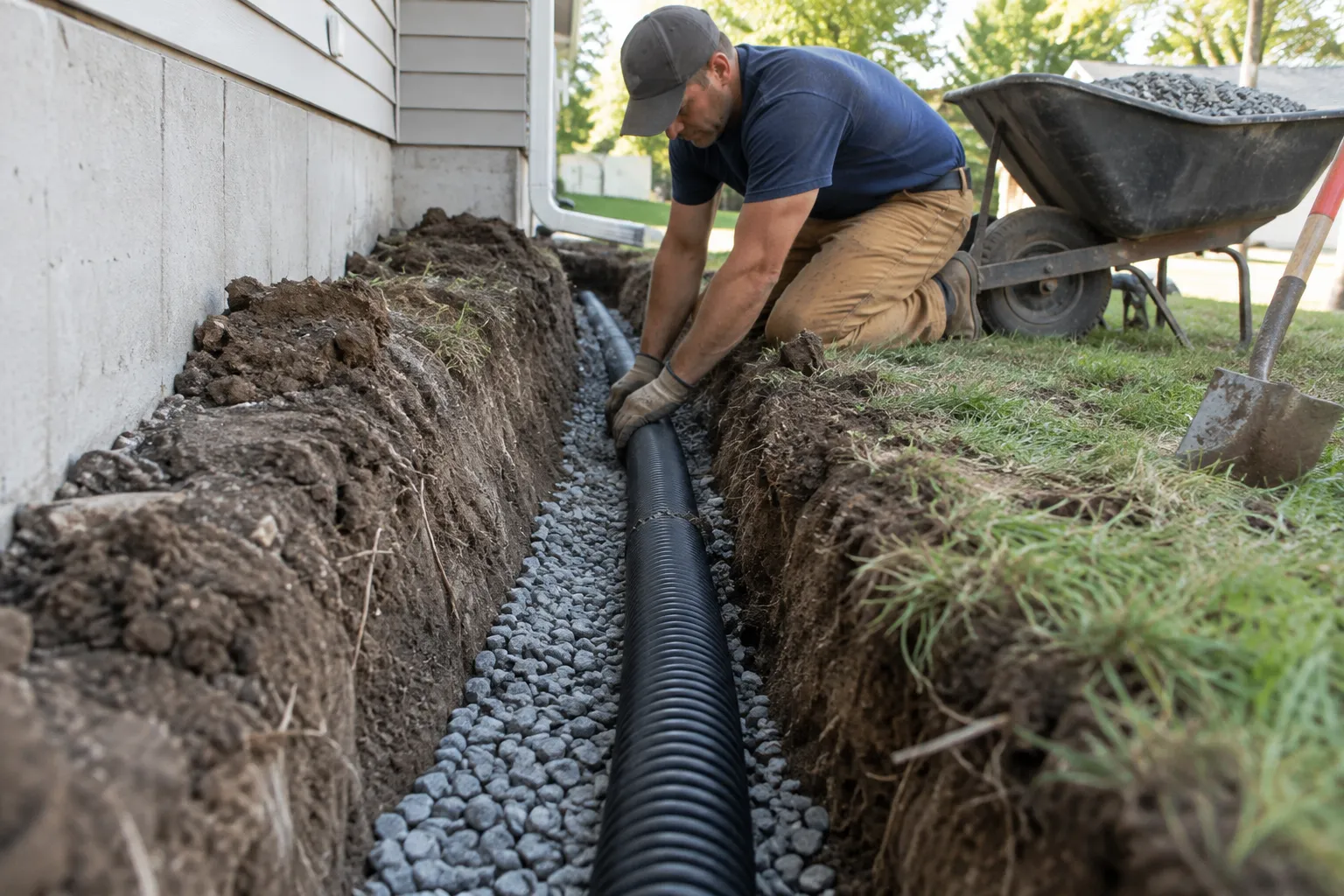
French drains are another effective option. They consist of perforated pipes buried underground, surrounded by gravel, which collect and carry water away from problem areas. French drains are especially useful in yards with heavy clay soils that retain moisture and prevent natural drainage.
In some cases, installing channel drains or trench drains flush with the walkway surface can capture surface water and direct it to a safe discharge point. Decorative gravel strips between concrete sections can also improve drainage by allowing water to percolate through the gaps.
Choosing the right solution depends on your property’s topography, soil type, and local weather patterns. A professional assessment can help determine the most suitable approach.
Preparing Your Site for a Successful Walkway Installation
Before pouring concrete, ensure the site is properly prepared to handle water flow. This includes clearing debris, grading the soil to the correct slope, and installing any necessary drainage systems. The base layer beneath the concrete should be well-compacted and designed to promote drainage, often using gravel or crushed stone.
Consider the location of downspouts and gutters, making sure they direct water away from the walkway. If water currently drains onto the planned walkway area, extending downspouts or adding splash blocks can help prevent pooling.
Discuss your project details with your concrete contractor, including any known drainage concerns. Professionals can incorporate drainage features into the design and advise on surface finishes that resist water damage. Proper planning at this stage helps avoid costly repairs or replacements in the future.
Common questions
How can I tell if my yard has a drainage problem before installing a walkway?
Look for areas where water pools or remains soggy for more than 24 hours after rain. Check near your home’s foundation and planned walkway location for standing water, moss growth, or soil erosion. These signs indicate poor drainage that should be addressed before installation.
What drainage solutions work best for yards with heavy clay soil?
Heavy clay soils retain water and drain slowly, so installing subsurface drainage like French drains can be effective. Swales with vegetation to slow runoff and promote infiltration also help. Proper grading combined with these systems can reduce water accumulation near concrete walkways.