
CONCRETE & OUTDOOR GUIDES
How to Prepare Your Site for Custom Concrete Steps Installation
Preparing your site properly is essential before installing custom concrete steps. This guide covers key steps homeowners should know to ensure a smooth installation, including site evaluation, soil preparation, drainage considerations, and coordination with contractors. Learn practical tips to avoid common issues and plan effectively for durable, safe concrete steps.
Preparing your site correctly before installing custom concrete steps is crucial to ensure the steps are durable, safe, and visually appealing. This process involves evaluating the current condition of the area, addressing soil and drainage issues, and coordinating with your concrete contractor to align expectations and project scope. By understanding these preparation steps, homeowners can avoid common problems such as uneven settling, cracking, or poor drainage that may compromise the longevity and functionality of the steps. This guide will help you recognize the key factors to consider and the practical steps to take before the installation begins.
Assessing Your Site and Planning the Layout
The first step in preparing for custom concrete steps is a thorough site assessment. This includes measuring the intended area, noting existing slopes, and identifying any obstacles such as landscaping, utilities, or existing structures. Understanding the topography helps determine how the steps will fit into your property and ensures they meet your functional and aesthetic needs.
Planning the layout also involves deciding on the number of steps, their rise and run, and how they will connect with adjacent walkways, patios, or entrances. Sharing this information with your contractor early allows them to provide an accurate estimate and design that suits your property’s unique conditions.
Preparing the Soil and Subgrade
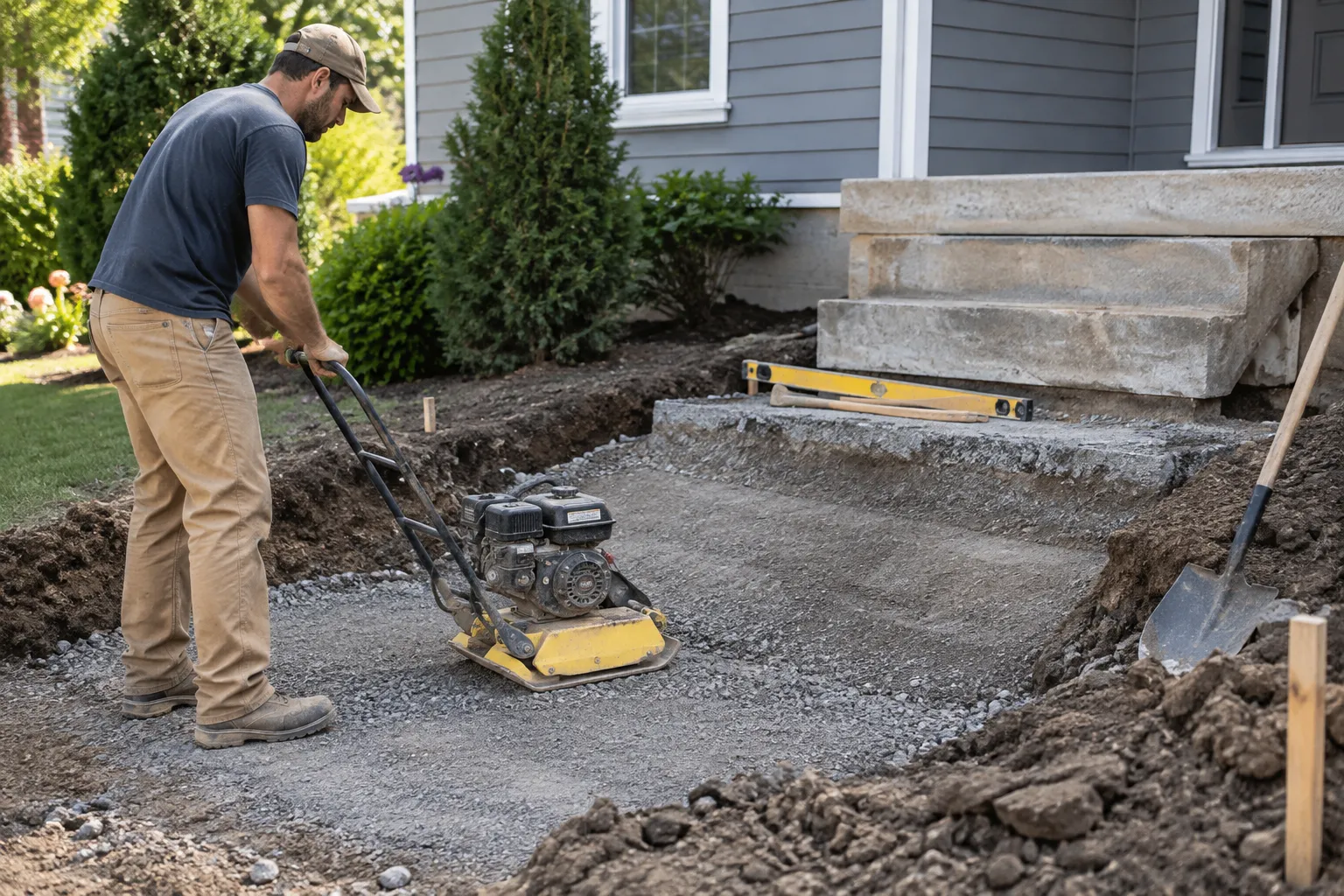
Proper soil preparation is vital to support the weight of concrete steps and prevent future settling or cracking. This process typically involves clearing vegetation, removing topsoil, and excavating to the required depth. The goal is to reach a stable subgrade that can bear the load without shifting.
After excavation, the soil should be compacted to eliminate soft spots and improve stability. In some cases, a gravel or crushed stone base is added to enhance drainage and provide a firm foundation. These steps ensure the concrete adheres well and maintains its shape over time.
Addressing Drainage and Moisture Control
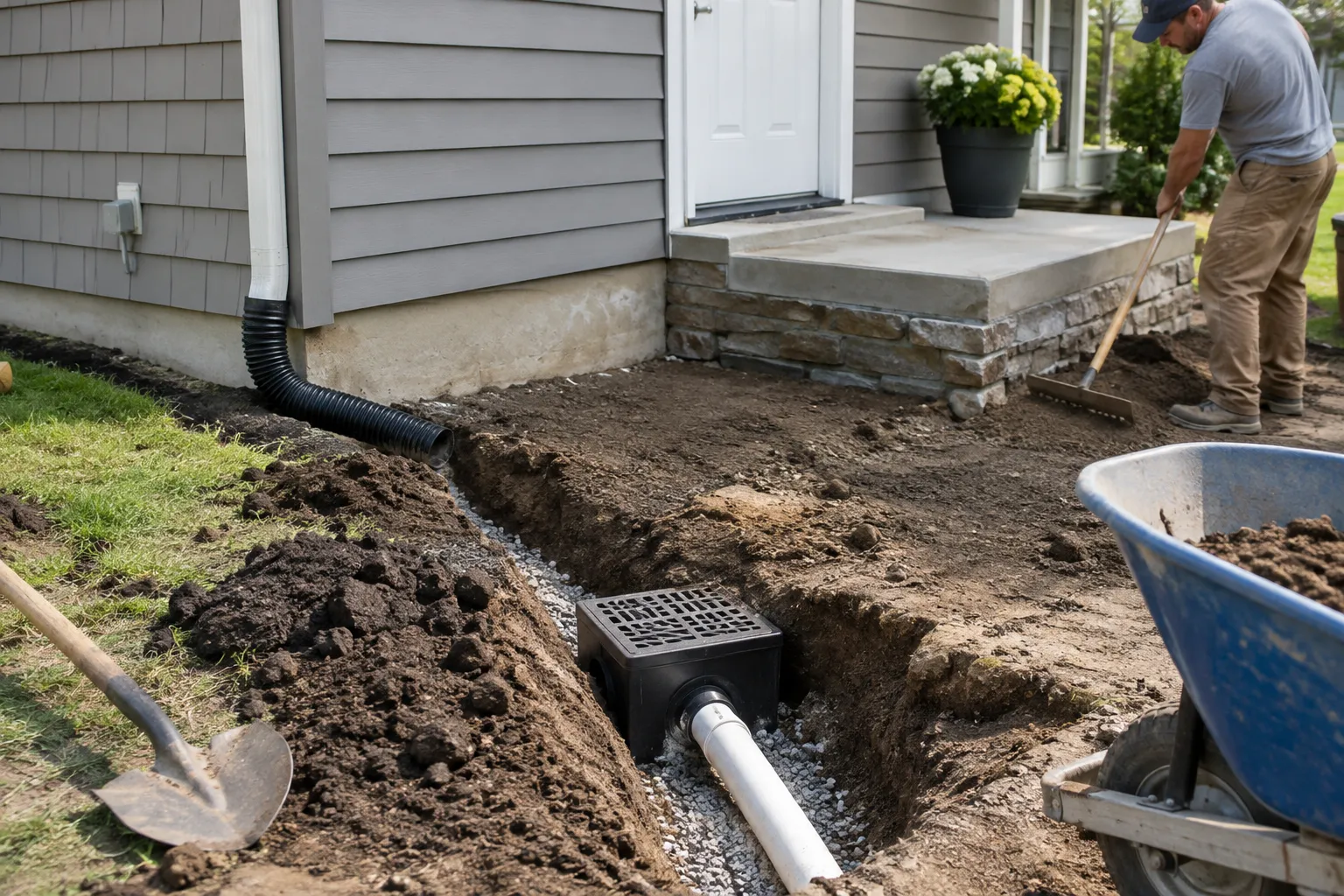
Managing water around your new concrete steps is essential to avoid damage caused by moisture accumulation or soil erosion. Proper drainage prevents water from pooling near the steps, which can weaken the foundation and cause cracks.
Site grading should direct water away from the steps, and installing drainage solutions such as French drains or gravel trenches may be necessary depending on your property’s conditions. Additionally, vapor barriers or moisture control layers can be used beneath the concrete to reduce water infiltration and prolong the life of the steps.
Coordinating with Your Concrete Contractor
Effective communication with your concrete contractor before installation is key to a successful project. Discuss your intended use, design preferences, and any site challenges you have identified. This helps the contractor plan the appropriate concrete mix, reinforcement, and finishing techniques.
Ask about access requirements, scheduling, and any preparations you should complete before the crew arrives, such as moving vehicles or outdoor furniture. Clear expectations reduce delays and ensure the work proceeds smoothly.
Common questions
What should I check in my yard before installing concrete steps?
Before installation, check for existing slopes, drainage patterns, and any obstacles like trees or utility lines. Also, assess the soil condition and note any areas prone to pooling water. This information helps your contractor plan the project and avoid issues during construction.
How long does site preparation usually take for concrete steps?
Site preparation time varies depending on the complexity of the terrain and soil conditions. Typically, it can take one to three days to clear, excavate, and compact the area before the concrete pour. More extensive drainage work or removal of old structures may extend this timeline.