
CONCRETE & OUTDOOR GUIDES
Planning a Concrete Driveway or Slab: What to Discuss Before the Pour
A useful estimate starts with more than measurements. Learn which project details help define the preparation, installation and care of a new concrete surface.
Tell the team what the surface will do
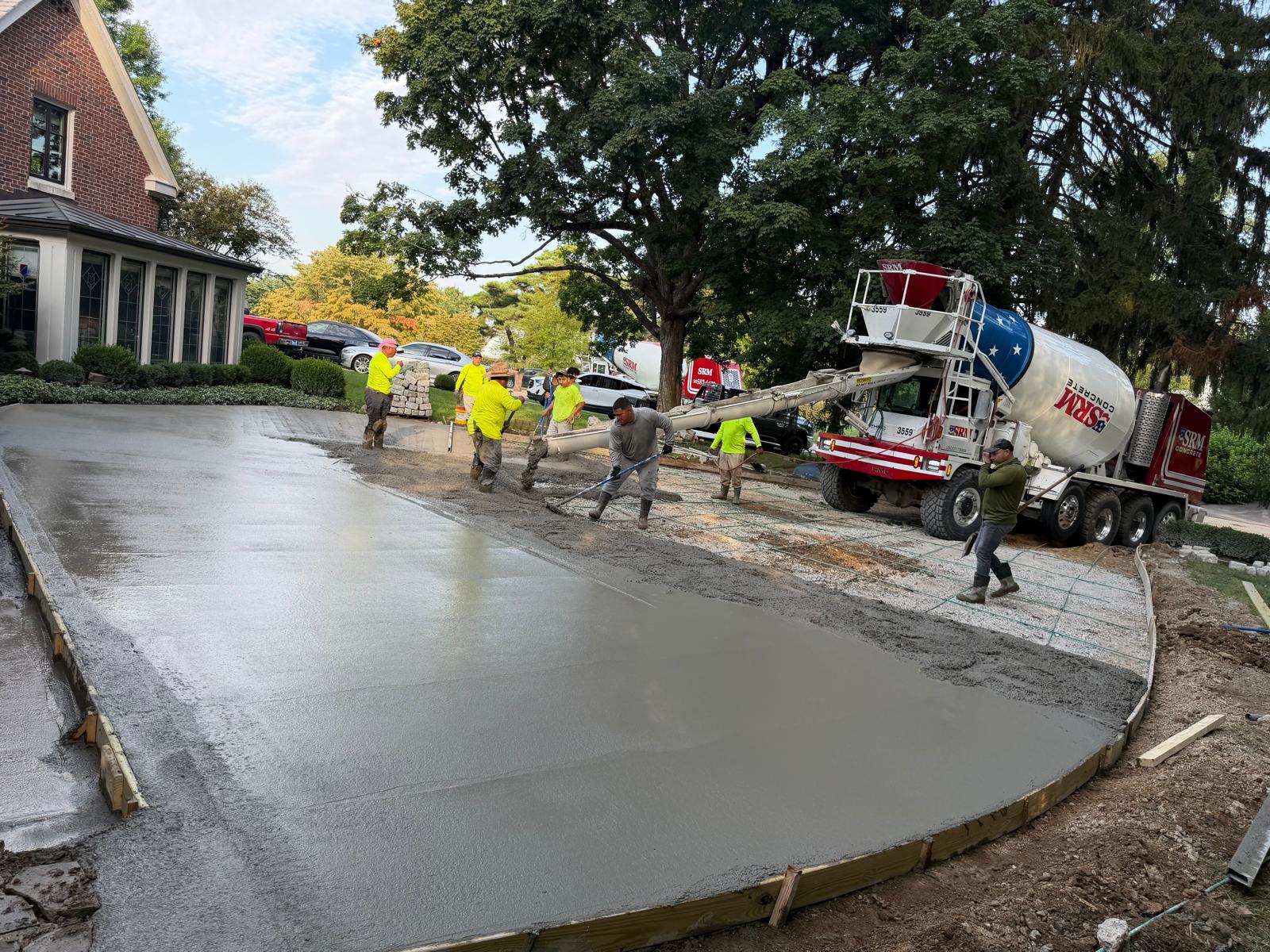
A new concrete slab might support a garage, a shed, a utility area or a place for vehicles. A driveway has its own connections to the street, garage and surrounding property. Begin by explaining the intended use, because a surface designed mainly for pedestrians is a different conversation from one expected to carry vehicles or support another structure. The plan should respond to the purpose of the installation.
Mention future uses that could affect today’s work. If you are planning a shed later, changing the way vehicles enter the property or connecting a new walkway, share that information early. Approximate dimensions and photographs are useful, but they should be accompanied by a description of how the area will function. This helps keep the estimate focused on the result you need.
Show the existing conditions clearly
Photograph the whole work area from several angles. Include nearby doors, garage entrances, fences, paths and the point where a driveway meets the street. Add closer views of visible damage or areas where water collects. The wider photographs explain the setting, while the detailed views show conditions that deserve discussion. Both can be useful before a site visit.
Describe what happens during rain and how people or vehicles currently move through the space. Tell the team about narrow access, existing landscaping and anything that cannot easily be moved. These details do not replace an assessment, but they help start it with the right questions. A contractor cannot define every part of the work from a single close-up photograph or a rough area measurement.
Include removal when replacing old concrete
If a worn driveway or slab is being replaced, the project starts before the new concrete is poured. Removal of the existing material, handling of the area and preparation for the replacement should be part of the scope conversation. Ask what will be removed, what will remain and how the work connects to adjoining surfaces. Avoid comparing a replacement estimate with one that assumes an empty site.
Dany’s offers concrete demolition as well as installation. Discussing the sequence together helps define the complete job. Share any previous repairs or treatments you know about, and explain the outcome you want after removal. If the new surface will have a different size or shape, show the intended boundaries so the team can review more than the footprint of the old concrete.
Pay attention to connections and drainage
A slab rarely exists on its own. It may meet a garage floor, a front path, steps, the street or another concrete surface. Those transitions affect everyday use and should be shown during the estimate conversation. Ask how the proposed layout relates to existing levels and access. If your project includes more than one surface, discuss the connection between them before finalizing separate decisions.
Water behavior is another useful part of the discussion. Describe pooling or the route water takes across the existing area instead of simply asking for the surface to be flat. The appropriate approach depends on the site. A clear estimate should be based on the conditions being addressed, with preparation and installation considered as one project rather than assuming the finish alone will solve every problem.
Ask what the estimate includes
Review the purpose, dimensions, removal and preparation covered by the proposed work. Ask about the chosen finish and any assumptions that remain dependent on site assessment. A useful estimate gives you a defined scope to consider; it is not only a number. Comparing that scope with another estimate helps you understand whether they describe the same project.
Discuss scheduling and what you need to do before the crew arrives. Ask which vehicles or stored items should be moved, what access must remain available and how surrounding areas will be managed during the work. If other contractors are involved in a larger property improvement, explain the sequence so the concrete work can be considered in the wider plan.
Plan for access while the work is underway
A driveway project temporarily changes the way you reach the property. Before scheduling, discuss where vehicles will stay, how people will get to the front door and which routes the crew needs for the work. Let the team know about regular deliveries, garage storage you may need to reach and adjoining areas that must remain accessible. These details help you prepare for the installation instead of discovering a conflict after work has started.
Make a short list of the uses you expect immediately after the pour: walking to the entrance, moving bins, parking a vehicle or placing equipment on the slab. Ask for guidance for each use separately and keep the instructions with your project records. A single general return date can be misunderstood when different activities involve different loads. Clear preparation and first-use conversations make it easier for everyone in the household to follow the guidance provided for the actual job.
Keep the instructions for curing and first use
The first-use guidance should come from the team working on your specific installation. Concrete, weather and intended load all matter to the instructions. Do not assume that a surface ready for walking is ready for a parked vehicle, heavy storage or construction equipment. Ask about each planned use separately and keep the guidance where you can refer to it.
Afterward, discuss appropriate cleaning and any treatment proposed for the surface. If you notice unusual changes, ask for advice before applying a quick repair. Dany’s Home Professionals serves residential and commercial concrete projects in Louisville, Kentucky and up to 70 miles around. Call or text (502) 679-0521 to describe your driveway or slab and start with a free estimate.