
CONCRETE & OUTDOOR GUIDES
Understanding the Benefits and Limitations of Stained Concrete for Outdoor Spaces
Stained concrete offers a versatile and attractive option for enhancing outdoor patios and walkways. This guide explains key factors homeowners should consider about durability, maintenance, design options, and preparation before choosing stained concrete for their outdoor projects.
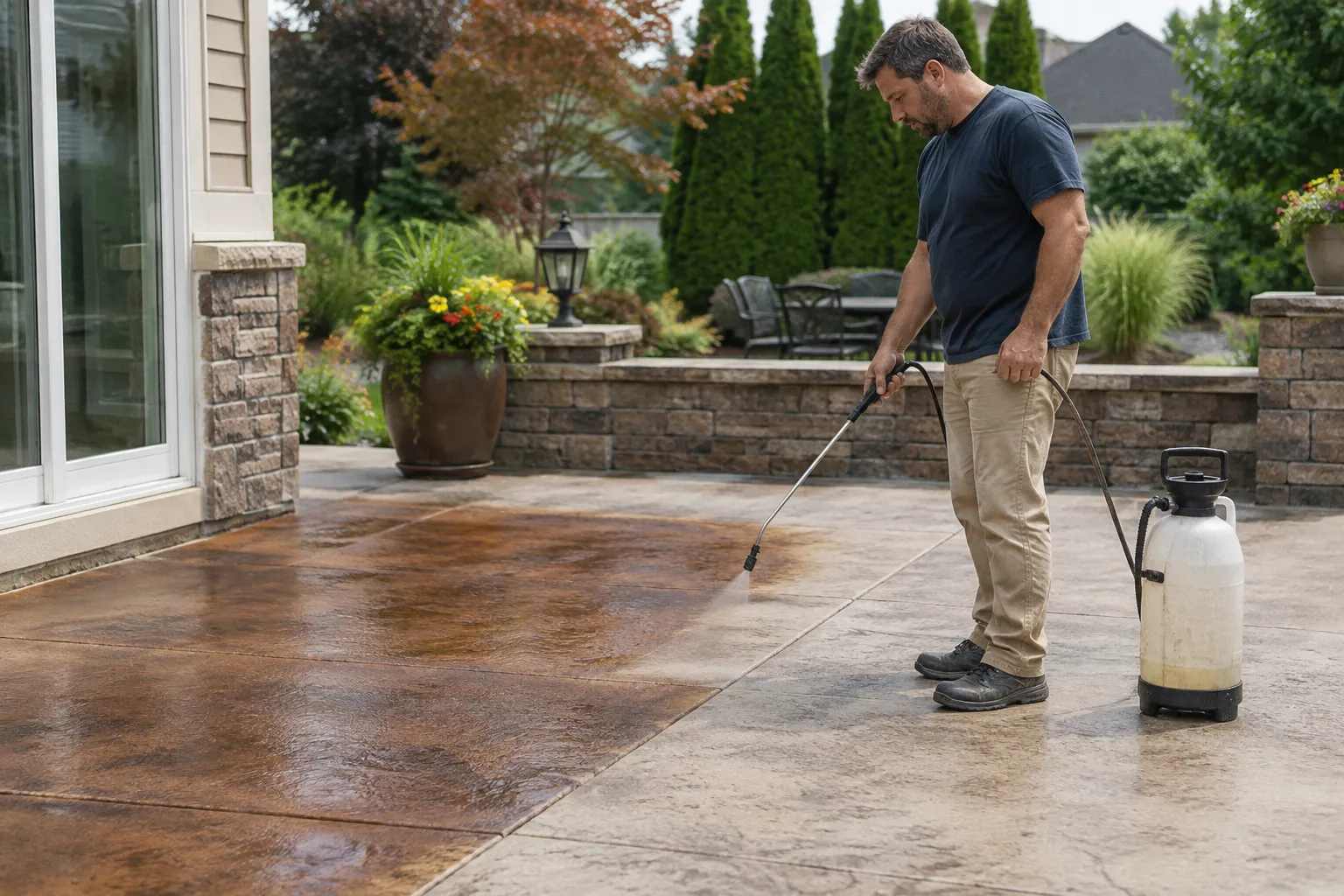
Stained concrete is a popular choice for outdoor spaces like patios and walkways because it combines durability with decorative appeal. Homeowners appreciate that stains penetrate the concrete surface to add rich, translucent color rather than an opaque coating. This results in a natural, variegated look that can mimic stone, wood, or other materials. However, before deciding on stained concrete, it’s important to understand both its advantages and its limitations to ensure it fits your project’s needs and expectations.
Benefits of stained concrete include its long-lasting color when applied correctly, as stains chemically bond or penetrate deeply into the concrete. This means the color is less likely to fade, peel, or chip compared to paint or other surface coatings. Additionally, staining can be applied to both new and existing concrete surfaces, making it a flexible option for upgrades without full replacement.
Design options vary depending on the type of stain used. Acid-based stains produce earthy tones with natural-looking variations and marbling effects, while water-based stains offer a broader color palette, including brighter and metallic hues. Multiple colors can be combined for custom looks. Staining also enhances the texture and character of the concrete, but it does not hide surface imperfections like cracks or patches.
On the other hand, limitations include the need for proper surface preparation. Any dirt, coatings, sealers, or moisture issues must be addressed before staining, as these can prevent the stain from penetrating evenly. Stained concrete requires sealing afterward to protect the color and surface, and maintenance involves cleaning with appropriate products to avoid damage.
Also, stained concrete is not a fix for structural problems or extensive surface damage. Cracks and blemishes will still be visible after staining. The chemical nature of acid stains requires careful handling and professional application is often recommended for complex designs or multi-color projects.
In summary, stained concrete offers a durable and attractive finish that can elevate outdoor spaces with color and texture. Homeowners should evaluate the condition of their existing concrete, desired aesthetic, and maintenance willingness before choosing this option. Consulting with professionals can help clarify what results to expect and how to best prepare and care for a stained concrete surface.
What Is Stained Concrete and How Does It Work?
Stained concrete is a decorative finish that adds color and visual interest to concrete surfaces by applying chemical or water-based stains. Unlike paint, stains penetrate the concrete, creating translucent, rich tones that become part of the material rather than sitting on top.
There are two main types of stains: acid-based and water-based. Acid stains react chemically with the concrete to produce natural, variegated earth tones like browns, tans, and soft blues. Water-based stains use acrylic polymers and pigments to offer a wider range of colors, including brighter and metallic shades.
The staining process involves preparing the surface thoroughly to ensure proper absorption. After cleaning and sometimes etching, the stain is applied and allowed to develop color over several hours. A sealer is then applied to protect the finish and enhance durability.
Benefits of Choosing Stained Concrete for Outdoor Spaces
One of the main benefits of stained concrete is its durability. Because the stain penetrates the concrete and bonds with it, the color tends to last longer without fading, peeling, or chipping like paint can. This makes it well-suited for outdoor patios and walkways exposed to weather and foot traffic.
Stained concrete also offers great design flexibility. The translucent nature of stains allows the natural texture and character of the concrete to show through, resulting in a unique, variegated appearance that can mimic natural materials such as stone, wood, or marble.
Another advantage is that staining can be applied to both new and existing concrete surfaces, allowing homeowners to refresh older patios or walkways without costly replacement. Additionally, the variety of stain colors and techniques can complement surrounding landscaping, architecture, and outdoor furniture.

Limitations and Considerations Before Staining Concrete
While stained concrete provides many benefits, there are important limitations to consider. The condition of the existing concrete surface plays a critical role. Stains are translucent and will not hide cracks, blemishes, patches, or previous coatings. Surface imperfections will remain visible after staining.
Proper surface preparation is essential. Dirt, grease, old sealers, or moisture can prevent the stain from penetrating evenly, leading to blotchy or uneven color. Some surfaces may require cleaning, grinding, or removal of coatings before staining.
Maintenance is another factor. Stained concrete should be sealed to protect the color and surface from wear, stains, and UV damage. Over time, resealing may be necessary, and cleaning should be done with products compatible with the stain and sealer to avoid damage.
Acid-based stains require careful handling due to their chemical nature and may not be suitable for DIY projects without experience. Water-based stains are generally safer and easier to apply but may have different durability characteristics.
Finally, stained concrete is not a solution for structural issues or extensive surface damage. Homeowners should assess the slab condition and consult professionals to determine if staining is appropriate.
Preparing for a Stained Concrete Project: Practical Steps
Start by evaluating the current concrete surface. Take photos showing cracks, previous coatings, and areas exposed to water or heavy use. Share these with your contractor or staining professional to get an informed assessment.
Discuss your desired look, including color preferences and whether you want subtle earth tones or more vivid hues. Ask about samples or small test areas to preview how the stain will appear on your specific concrete.
Clarify what preparation work is included in the project scope. This may involve cleaning, grinding, or removing incompatible coatings. Understanding preparation helps set realistic expectations about cost and timing.
After staining, follow care instructions carefully. This includes waiting for curing, using recommended cleaning products, and scheduling resealing to maintain the finish. Regular maintenance helps preserve the beauty and longevity of your stained concrete.
Common questions
Can stained concrete hide cracks and surface imperfections?
No, stained concrete does not hide cracks, patches, or surface imperfections. Because stains are translucent, they enhance the existing texture and color variations rather than covering flaws. If your concrete has significant damage, staining may highlight these areas rather than conceal them. It’s best to discuss the slab condition with a professional to determine if repairs or overlays are needed before staining.
What maintenance does stained concrete require to keep its appearance?
Maintaining stained concrete involves sealing the surface to protect the color and prevent damage from weather, stains, and foot traffic. Over time, the sealer may wear down and require reapplication. Cleaning should be done with mild, pH-neutral products recommended for stained concrete to avoid degrading the finish. Avoid harsh chemicals or abrasive tools. Following manufacturer and contractor guidance on care and resealing helps preserve the stained concrete’s beauty and durability.